Chapter 01
Before the apron
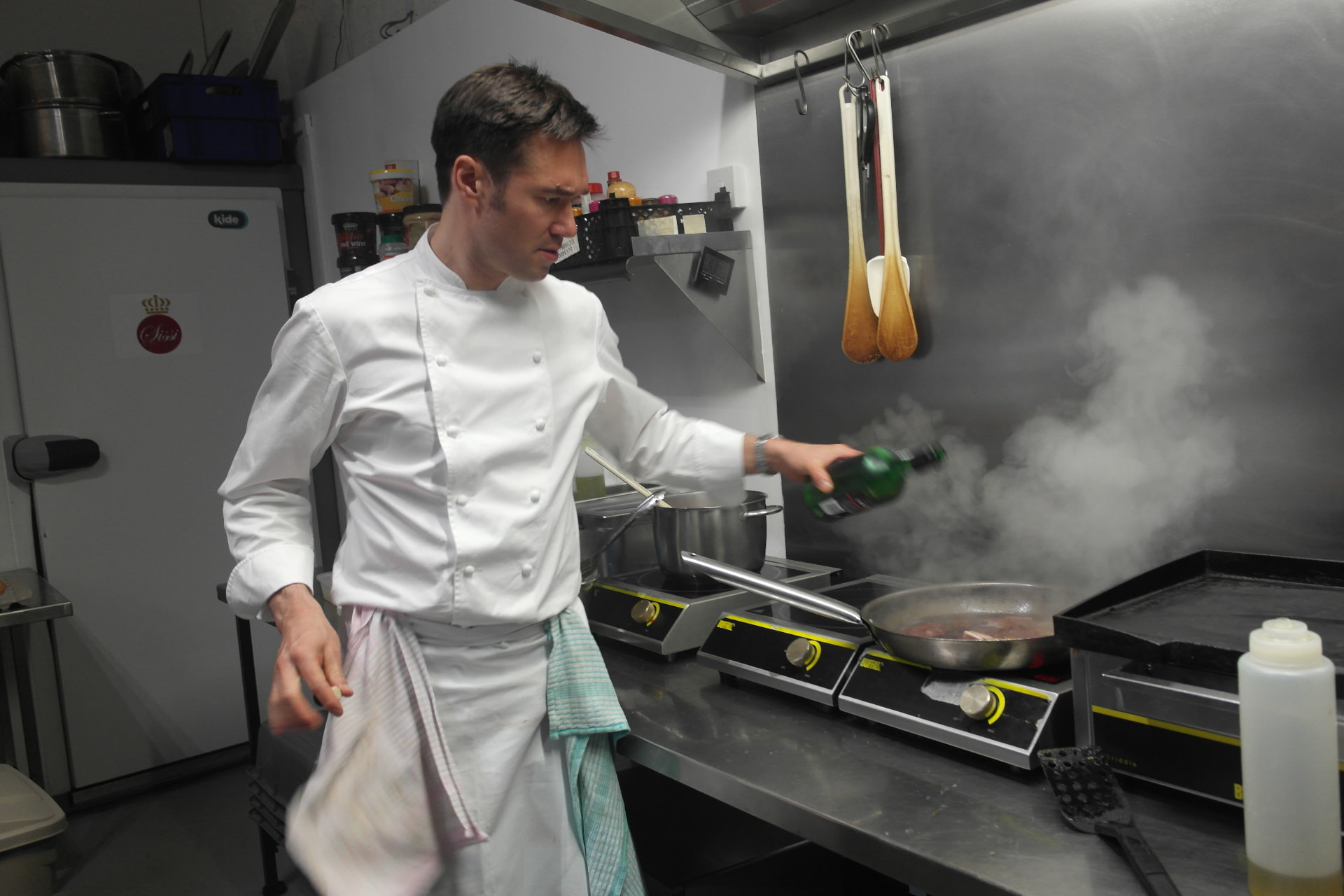
I grew up between different countries, cultures and ways of eating.


I started my education in the French system at the Lycée Français Charles de Gaulle in London before being fortunate enough to go to Harrow.
One of the great schools of the world.
The food in the canteen in the 1990s, however, was rather less distinguished.
After growing up around French food culture, that was quite a shock.
Perhaps my obsession with making everyday food taste better started earlier than I realised.
I went on to study Mechanical Engineering at the University of Edinburgh, followed by postgraduate study in Manufacturing at Cambridge.
I loved understanding how things worked: systems, processes, efficiency, why one small change could make the whole machine perform better.
I had no idea at the time that I would eventually apply almost exactly the same thinking to cooking.
I just swapped machines for kitchens.
Chapter 02
From boardrooms to brigades
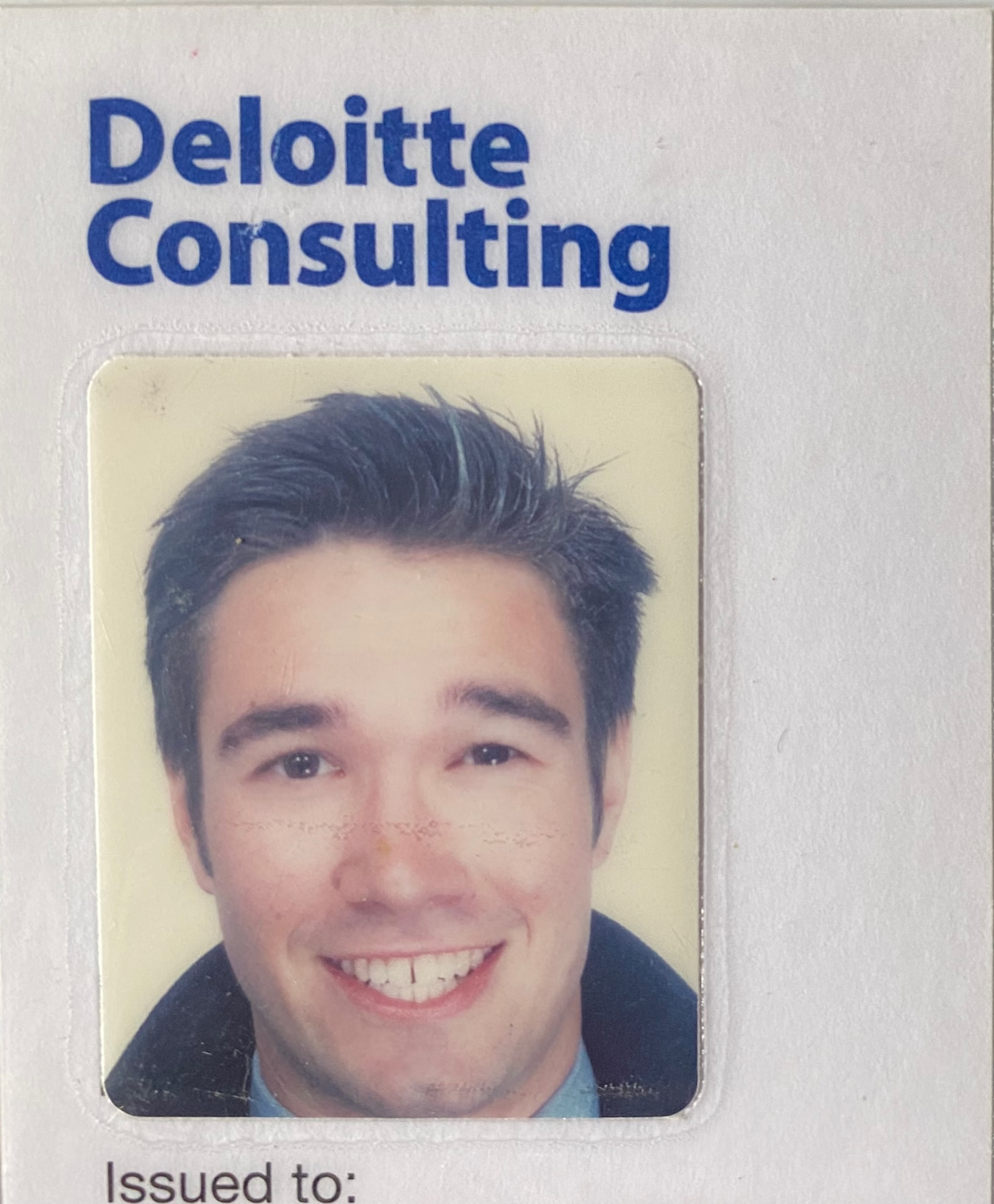
After Cambridge, I spent three years at Deloitte Consulting, working across Strategy & Operations and Business Technology.
It taught me an enormous amount about systems, problem-solving, clients, pressure and how organisations actually work.
It also means that when I cook or teach for corporate teams today, I understand their world.
I’ve done the meetings, the deadlines, the travel, the long days and the supposedly nine-to-five job that somehow eats the whole day.
But even then, food was usually the thing I was thinking about when I wasn’t working.
I was already a serious foodie.
And increasingly, I was wondering whether food might become more than that.
Chapter 03
The lunch that changed everything
My mother and I had a tradition.
For our birthdays, we would go somewhere really special to eat.
One year that meant eating at what was, at the time, the fifth best restaurant in the world — Gordon Ramsay’s three-Michelin-star restaurant in Chelsea.
By then I was becoming increasingly disillusioned with consulting and itching to find a way into the food world.
At the end of the meal I asked if I could meet the head chef.
That was Mark Askew, Gordon Ramsay’s right-hand man at the time.
I told him I had been thinking about becoming a chef.
He stopped me.
“What? You work in the City? You’re a City boy? Well, let’s see about that.”
Then he suggested I come and work in the kitchen for a day before deciding whether I still wanted to become a chef.
So I did.
Chapter 04
7am.
18 hours.
10kg of langoustines.
5kg of girolles.
No gloves.
I turned up at 7am as a complete novice and spent the next 18 hours discovering what a serious kitchen actually meant.
I was handed ten kilos of langoustines to peel with my bare hands.
By the end, my hands were shredded.
Then came five kilos of girolle mushrooms that had to be cleaned perfectly.
I asked questions constantly.
Eventually somebody made it very clear — in the particular language of a Gordon Ramsay restaurant — that this was not the moment for a Q&A.
I got the message.
But I loved it.
I was fascinated by the precision, the pressure, the hierarchy and the way everything moved.
When the person running the canapé section called in sick, they put me there.
So on my first day in a professional kitchen, I somehow found myself helping send canapés in one of the best restaurants in the world.
At the end of the shift, I found Mark again and told him I’d loved it.
His verdict was:
“Well, you weren’t that bad.”
I asked whether I should go to catering college.
He told me I could spend £40,000 learning knife skills — or I could come and work for them.
That sounded better.
He also sensibly pointed out that starting out at the fifth best restaurant in the world might not be the easiest place for a complete beginner.
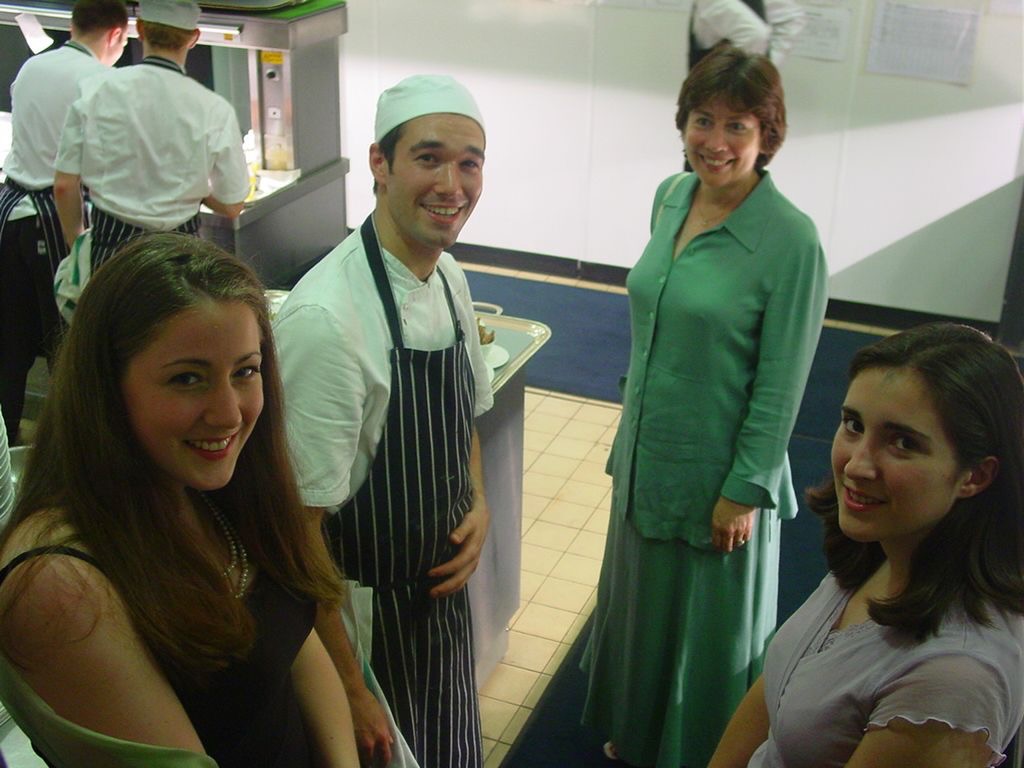
So he arranged for me to trial at the Savoy Grill.
I got the job.
And that was the beginning of my career as a chef.

Chapter 05
The education got a lot hotter.
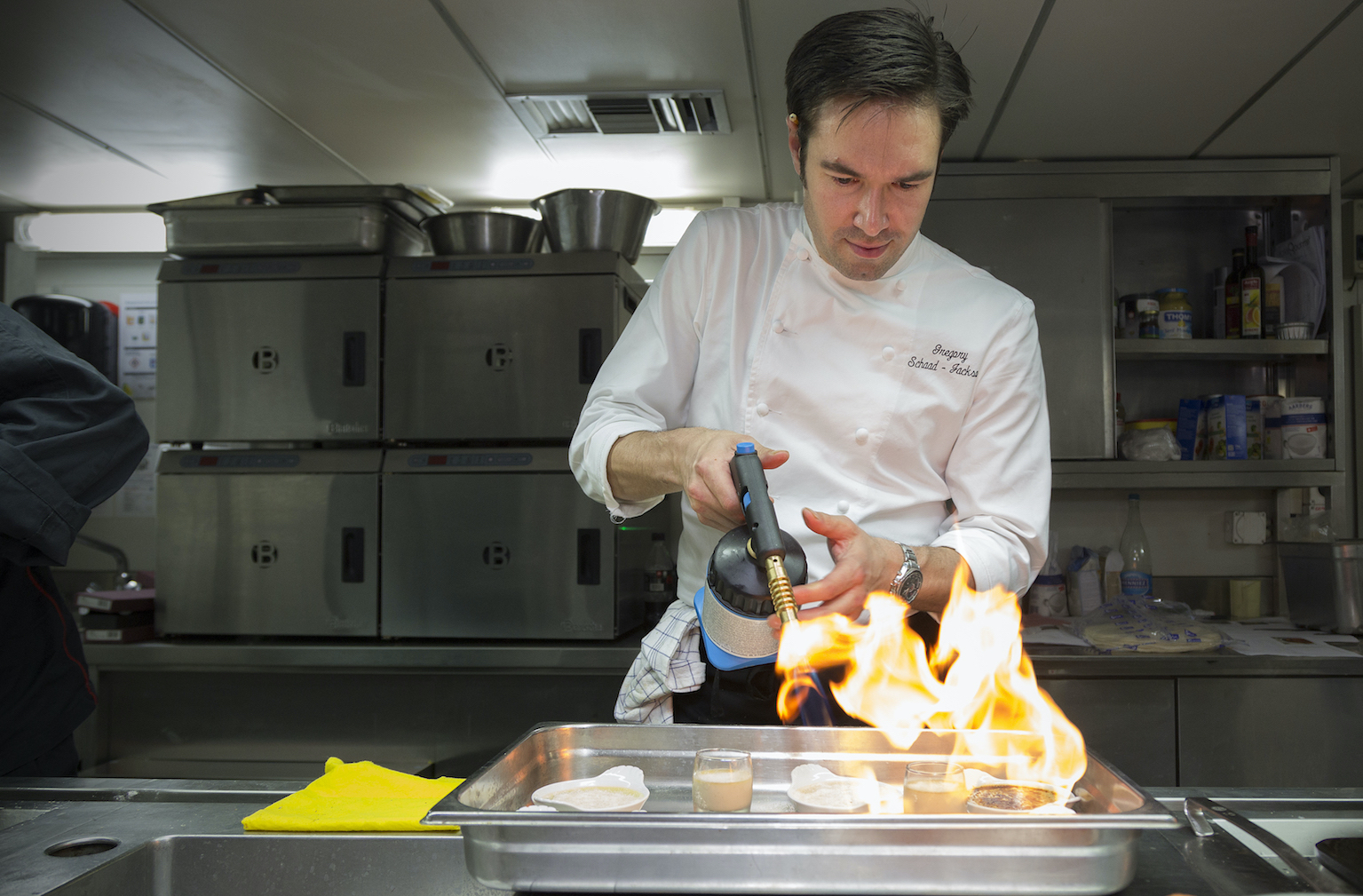
The Savoy Grill became my real culinary education.
I entered professional kitchens without the traditional route and learned by doing: service after service, mistake after mistake, watching, tasting and asking questions — slightly more selectively by then.
That world eventually led to Gordon Ramsay’s The F Word and later to working on the opening of one of his restaurants in New York.
The engineer in me loved the machinery of a great kitchen.
Timing. Heat. Systems. Organisation. Repetition.
But what kept me there was flavour.
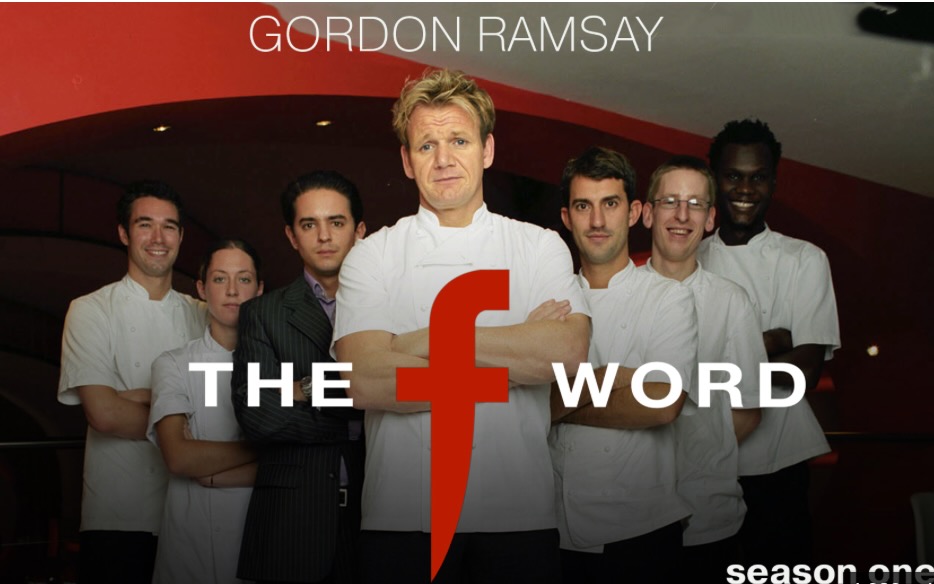 ▶ Watch the clip
The F Word · Gordon Ramsay · season one
Chapter 06
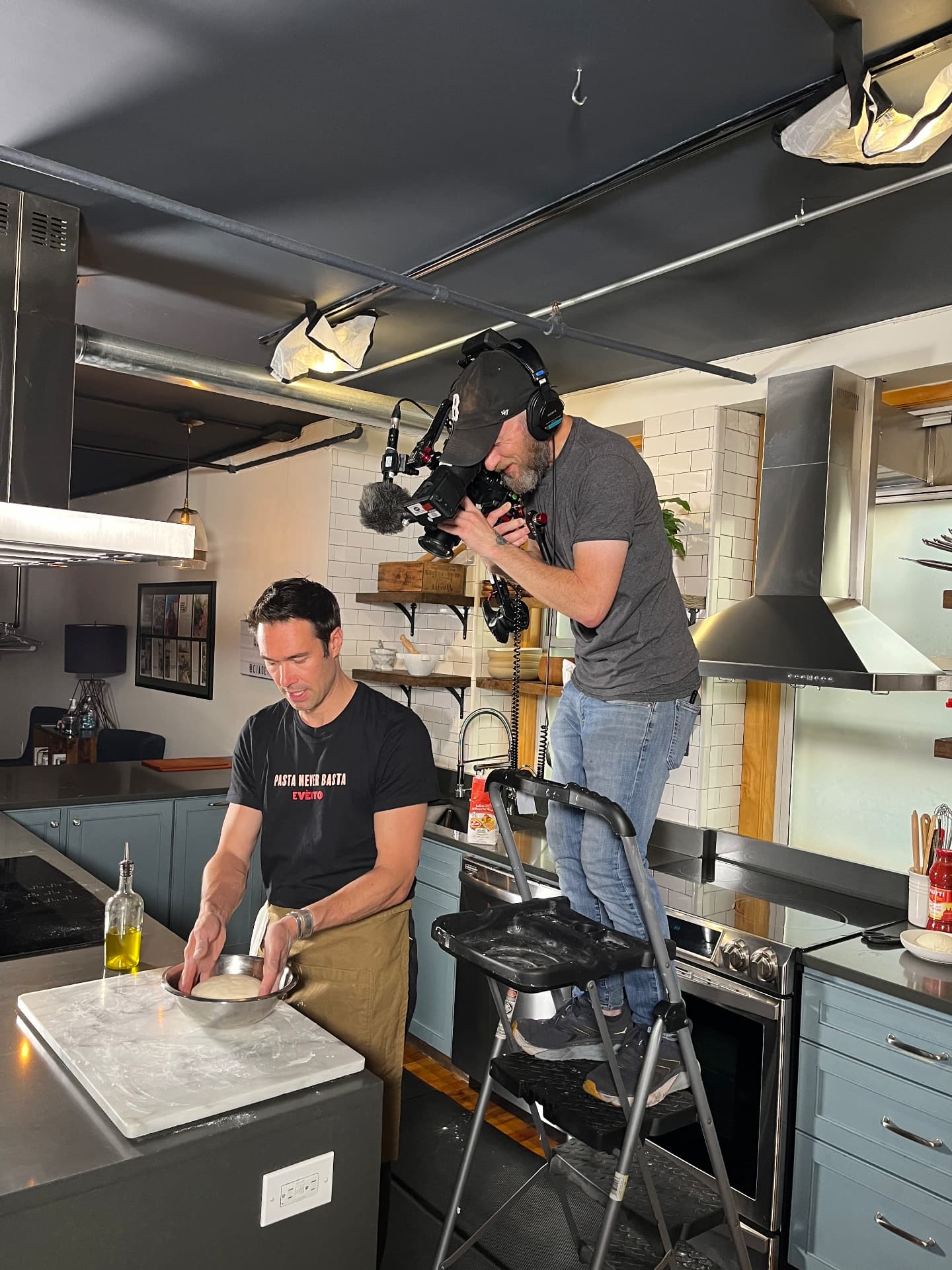
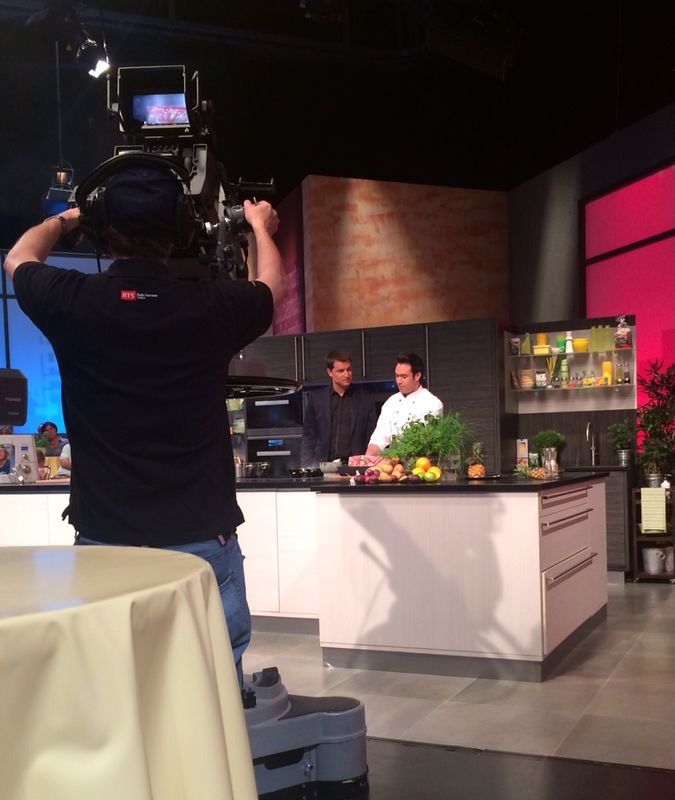
Then somebody put a camera in front of me.
Cooking was one thing.
Explaining it was another.
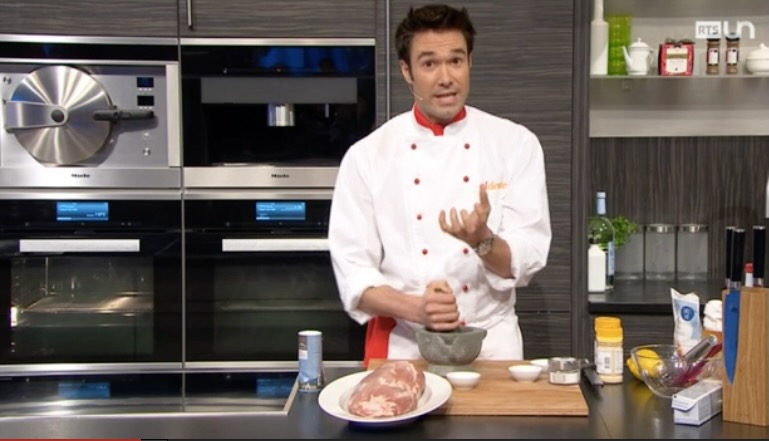
Television made me realise how much I enjoyed helping people understand food rather than simply cooking it for them.
That eventually took me to Swiss television, where I became a resident chef on Al Dente.
Cooking became as much about communication, curiosity and entertainment as it was about technique.
It turns out I’m quite happy cooking while somebody points a camera at me.
Chapter 07
One life. A lot of tables.
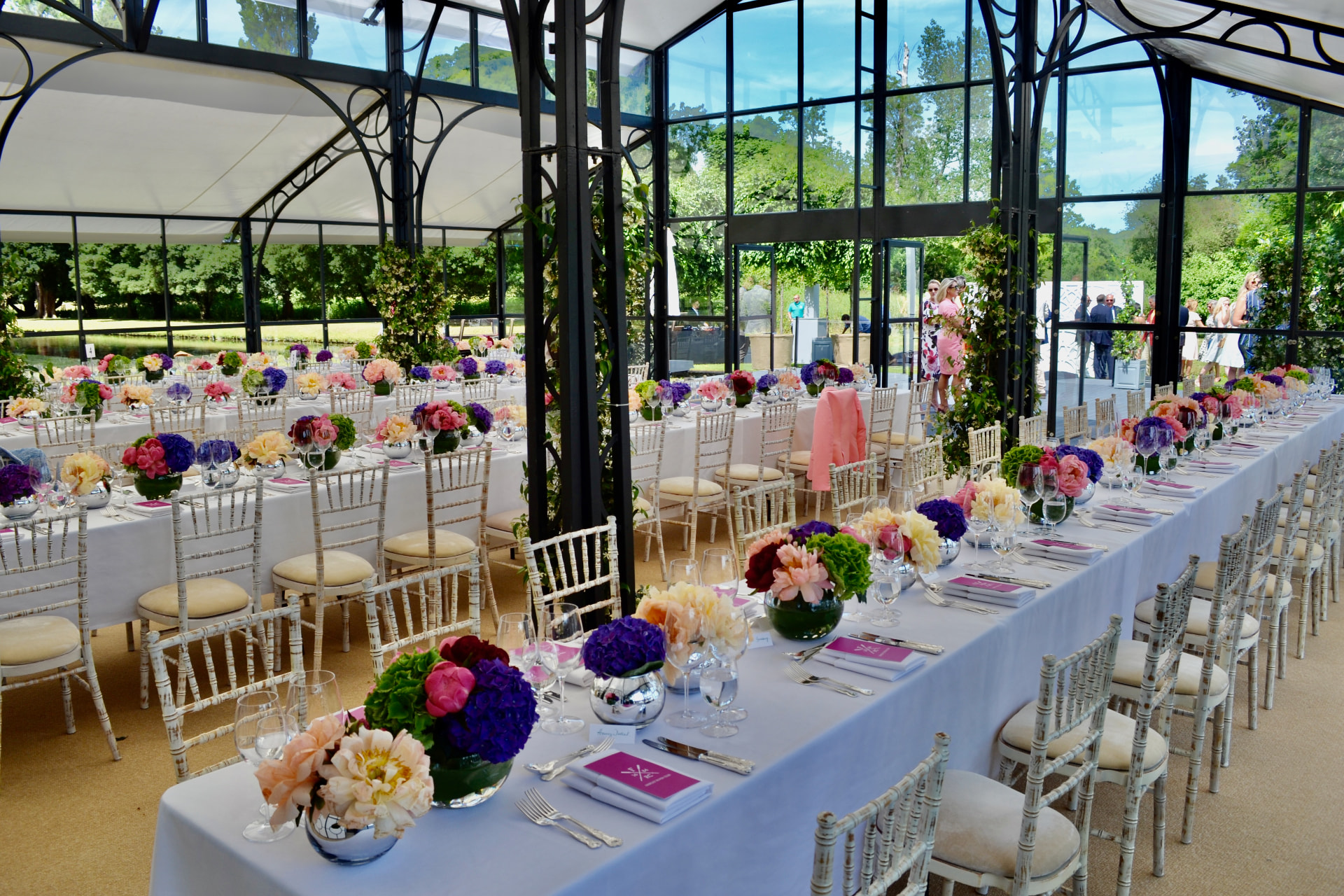
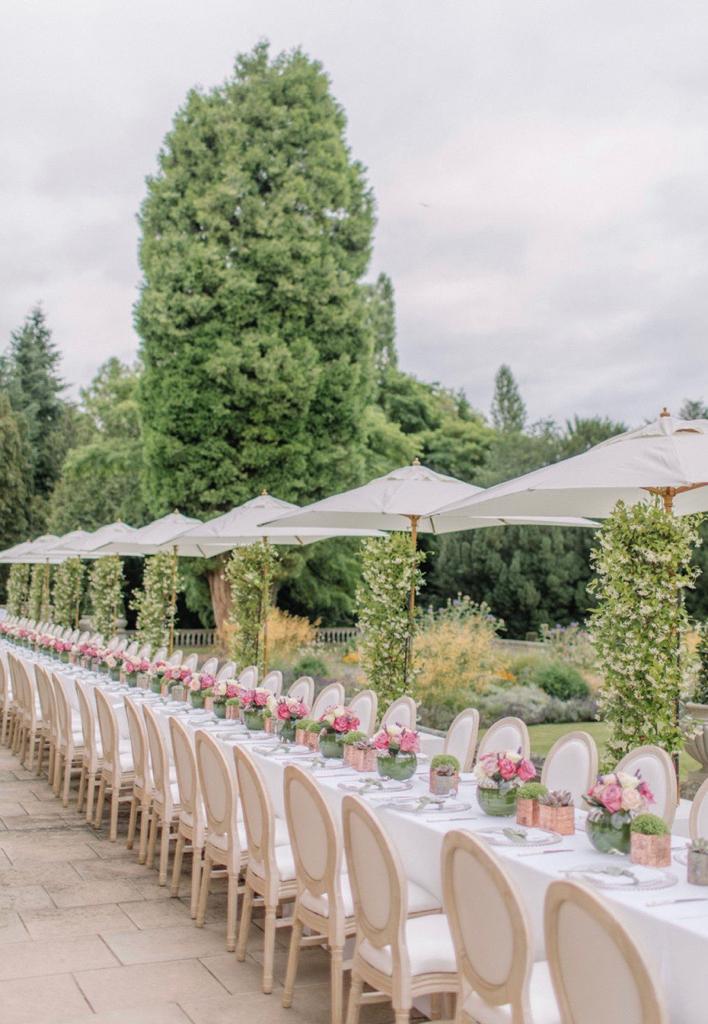
Food has taken me to some extraordinary places and introduced me to some extraordinary people.
I’ve been fortunate enough to cook for royalty, heads of state, entrepreneurs, athletes and people whose names you would recognise.
King Charles.
Dorrit Moussaieff, the former First Lady of Iceland.
Novak Djokovic.
And many others.
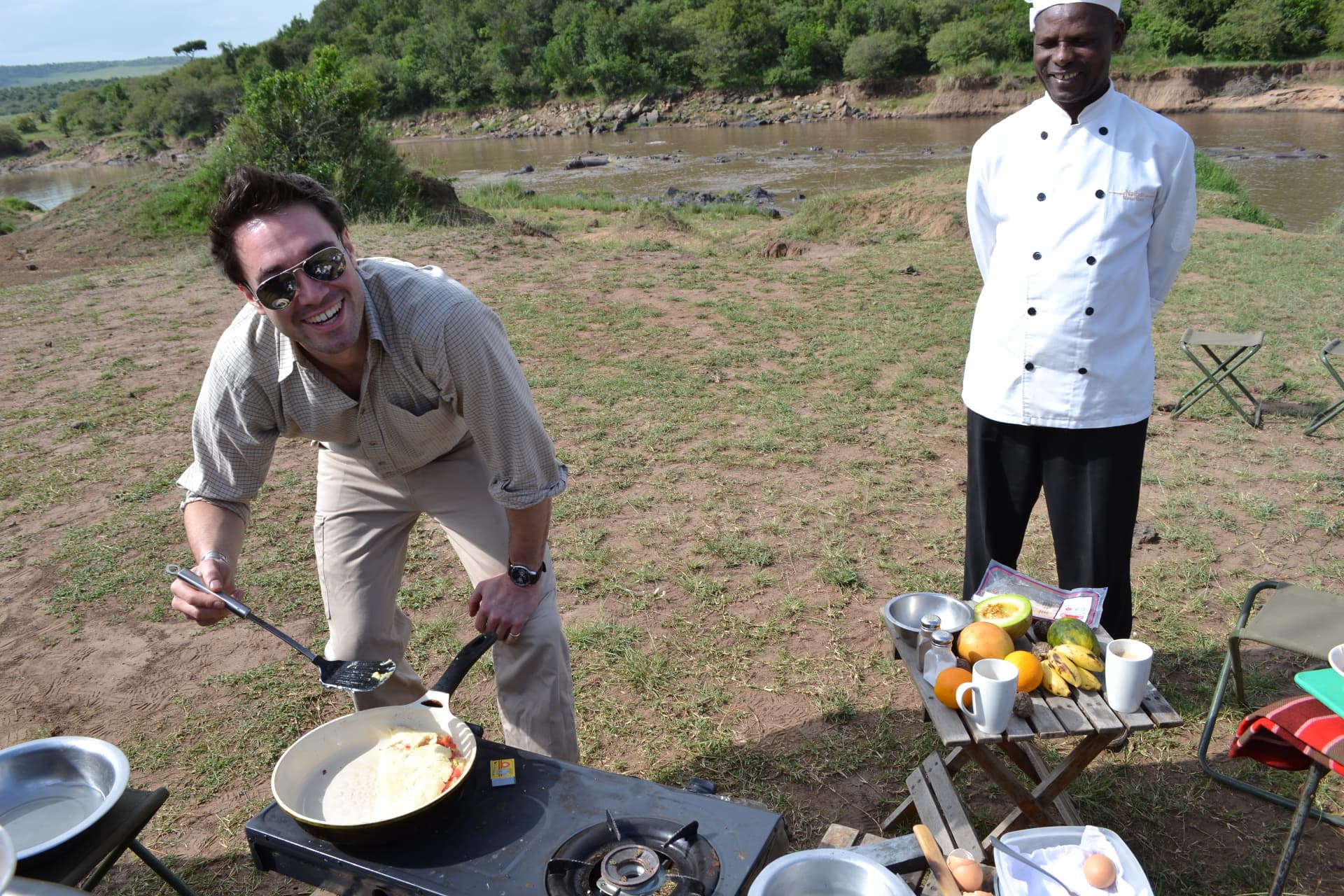
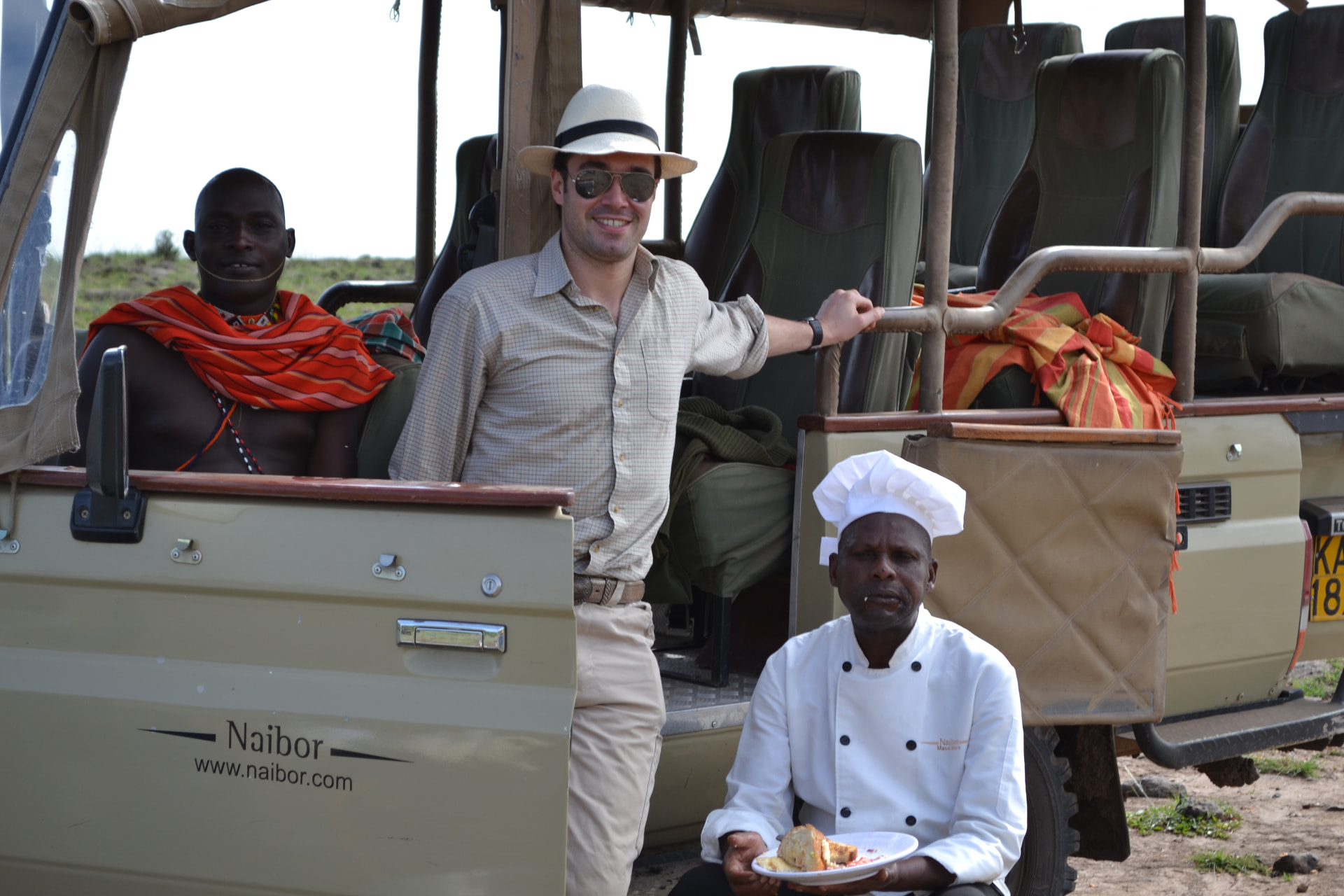
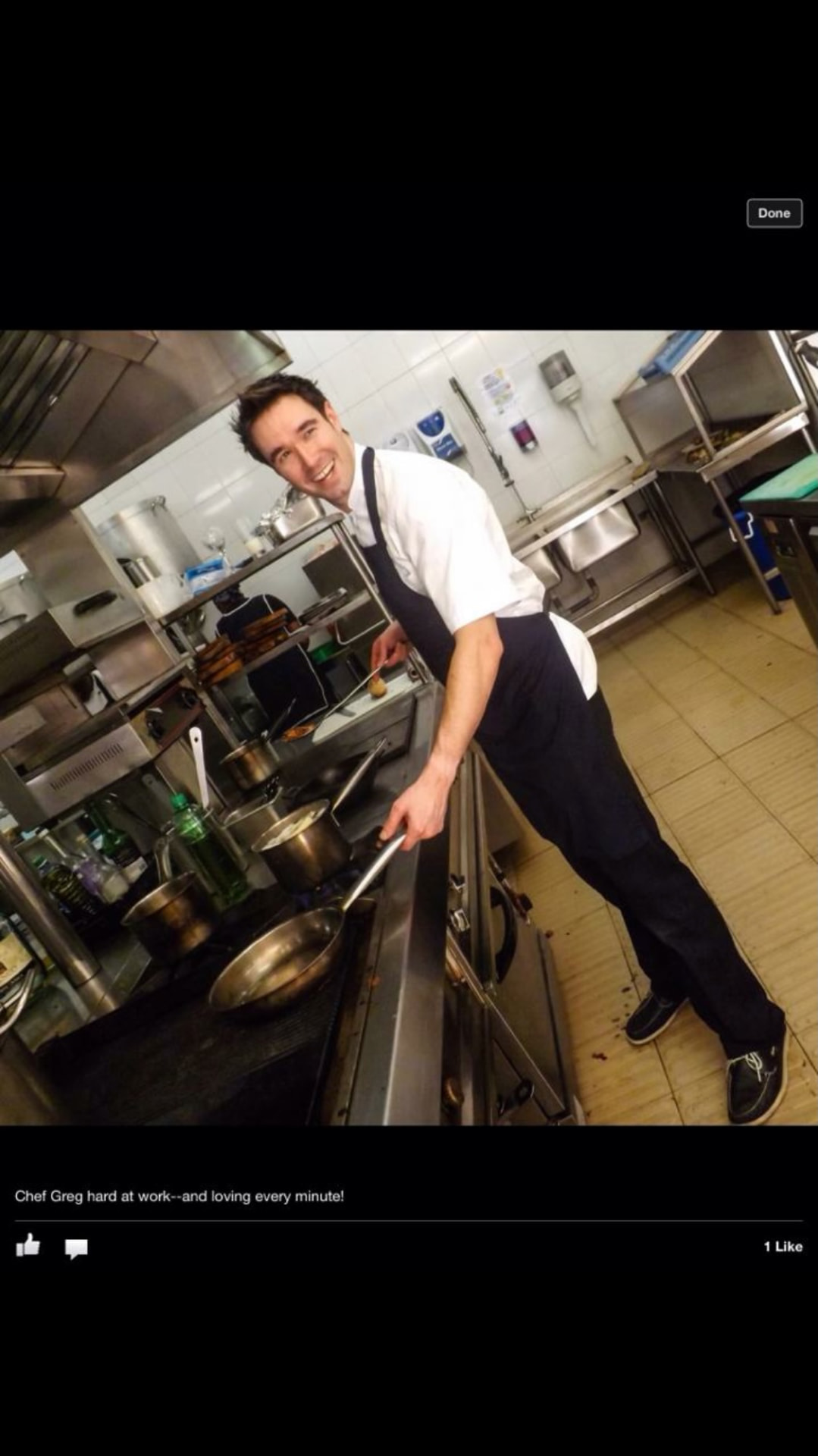
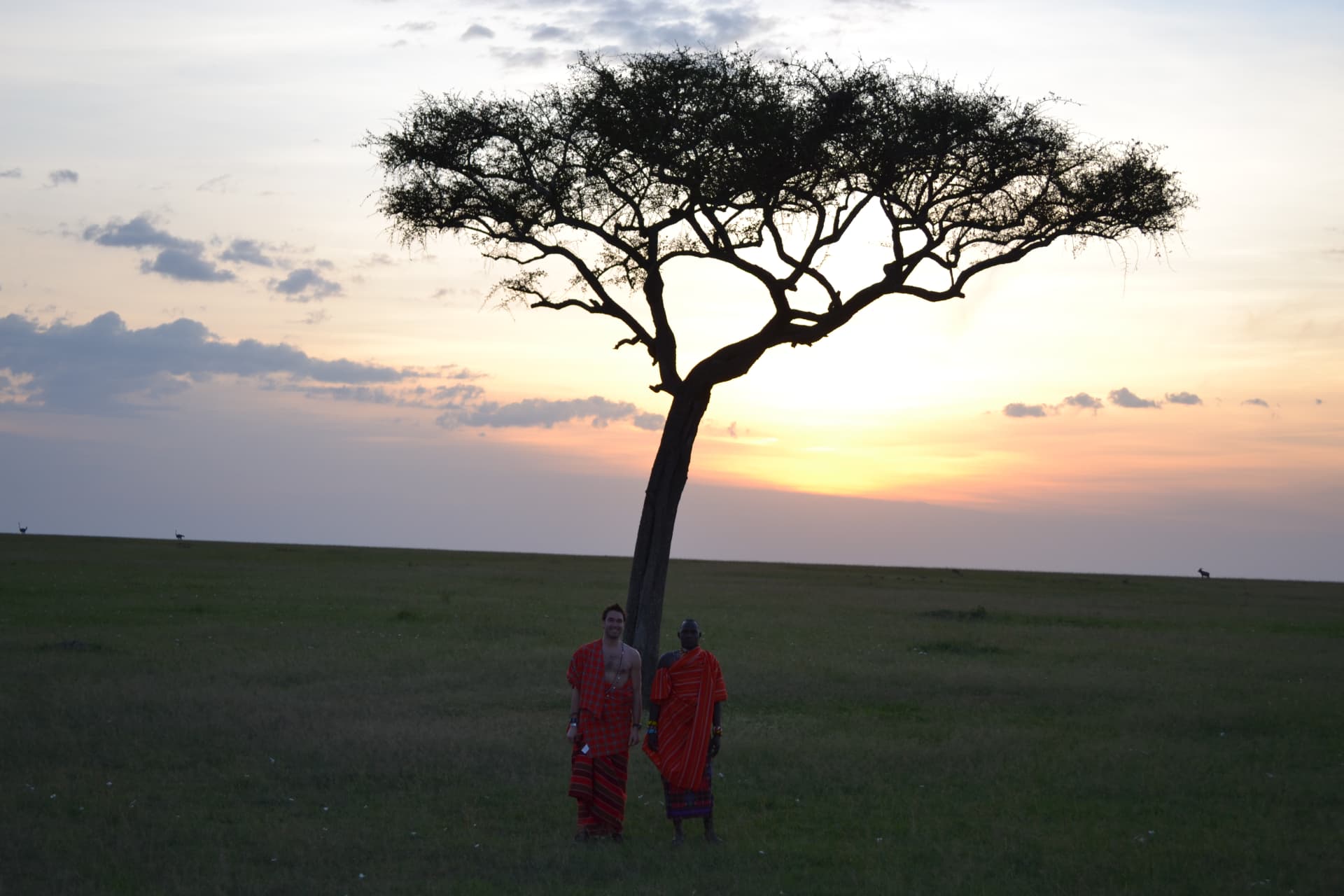
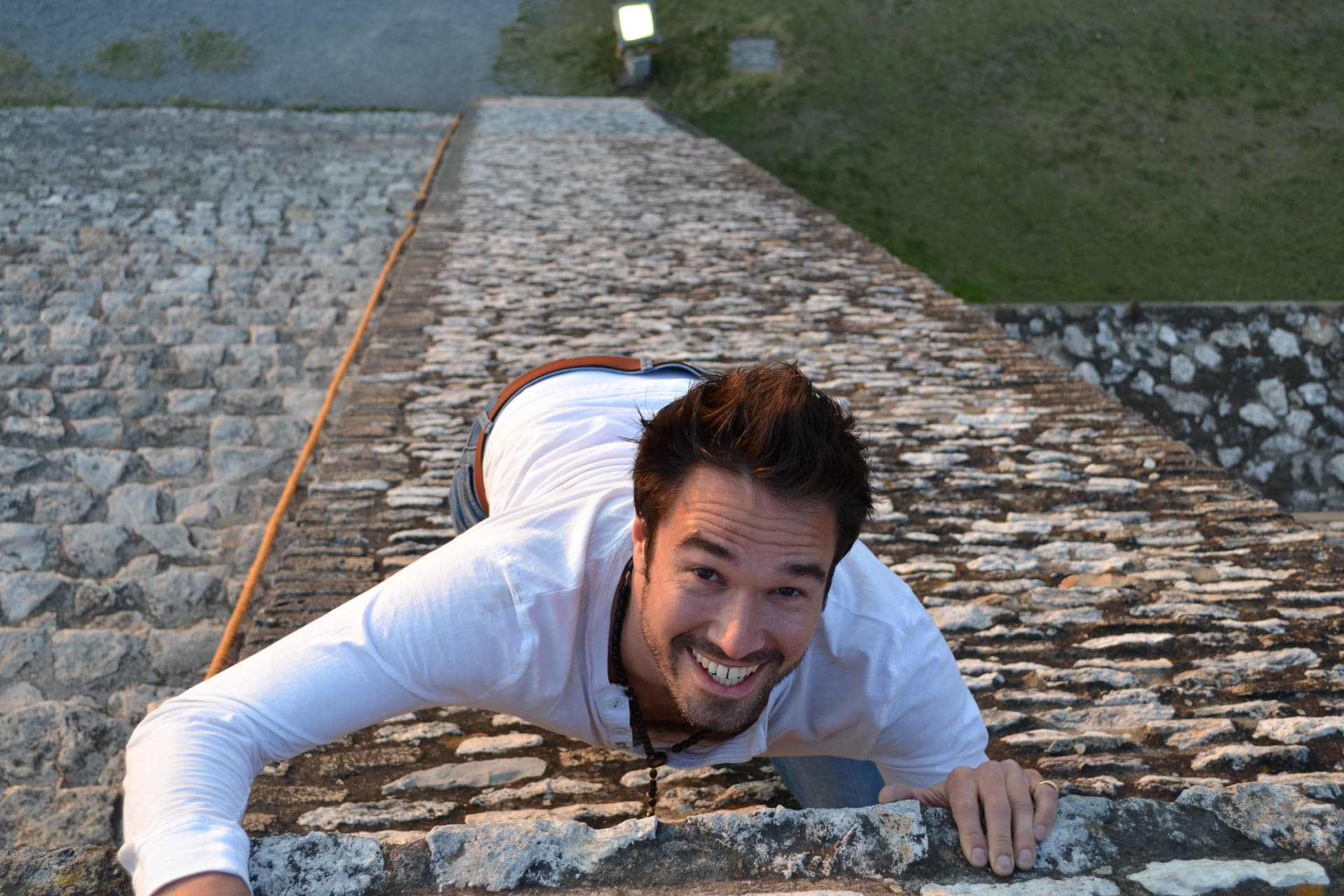
But some of the meals I remember most clearly happened nowhere glamorous at all.
A market.
A roadside table.
Someone’s home.
A dish I had never tasted before.
That curiosity — What are they cooking? Why does it taste like that? Can I learn it? — became a huge part of how I cook.
The world became my culinary classroom.
Chapter 08
I never just wanted to cook the food.
I wanted to build the idea.
Somewhere along the way, being a chef stopped being enough.
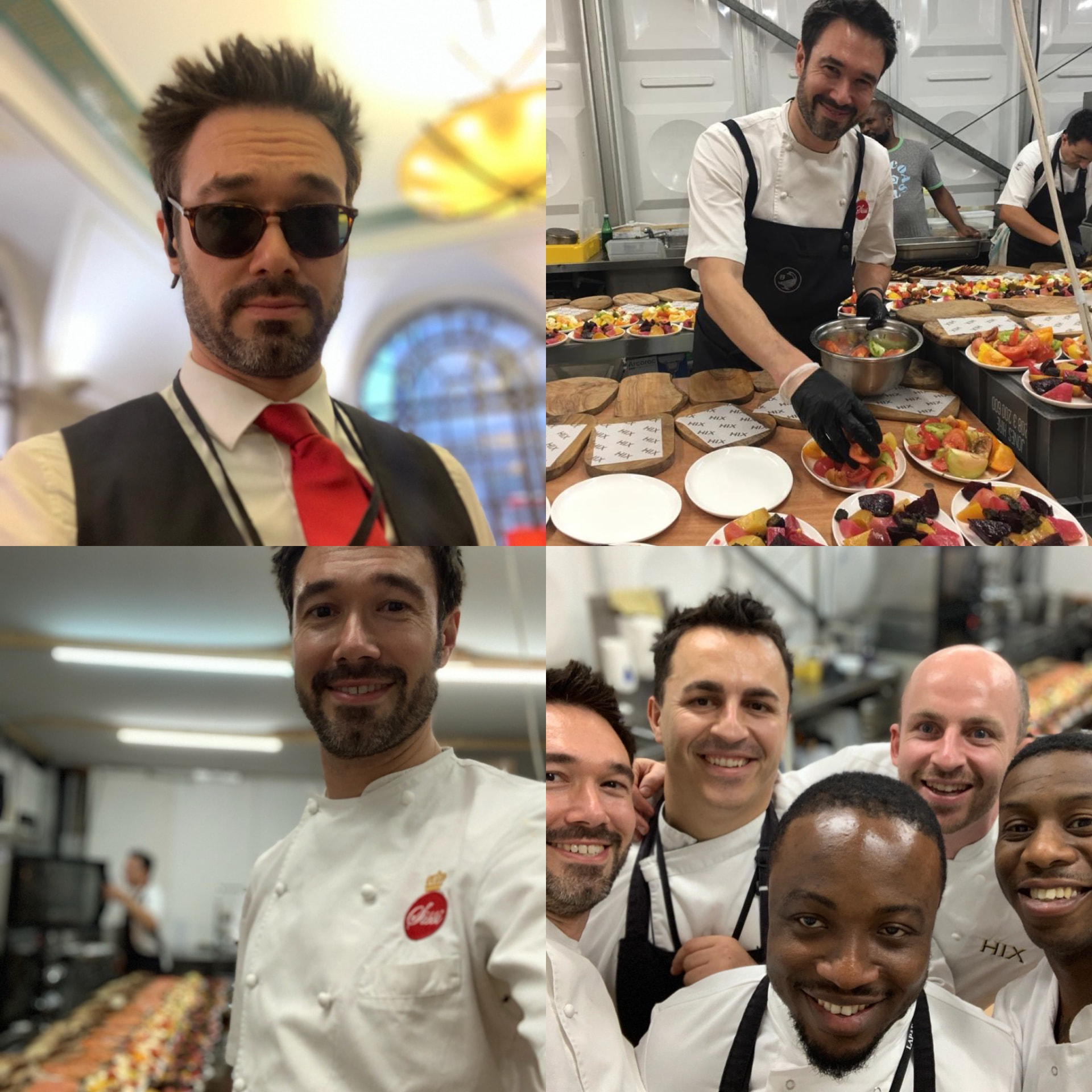
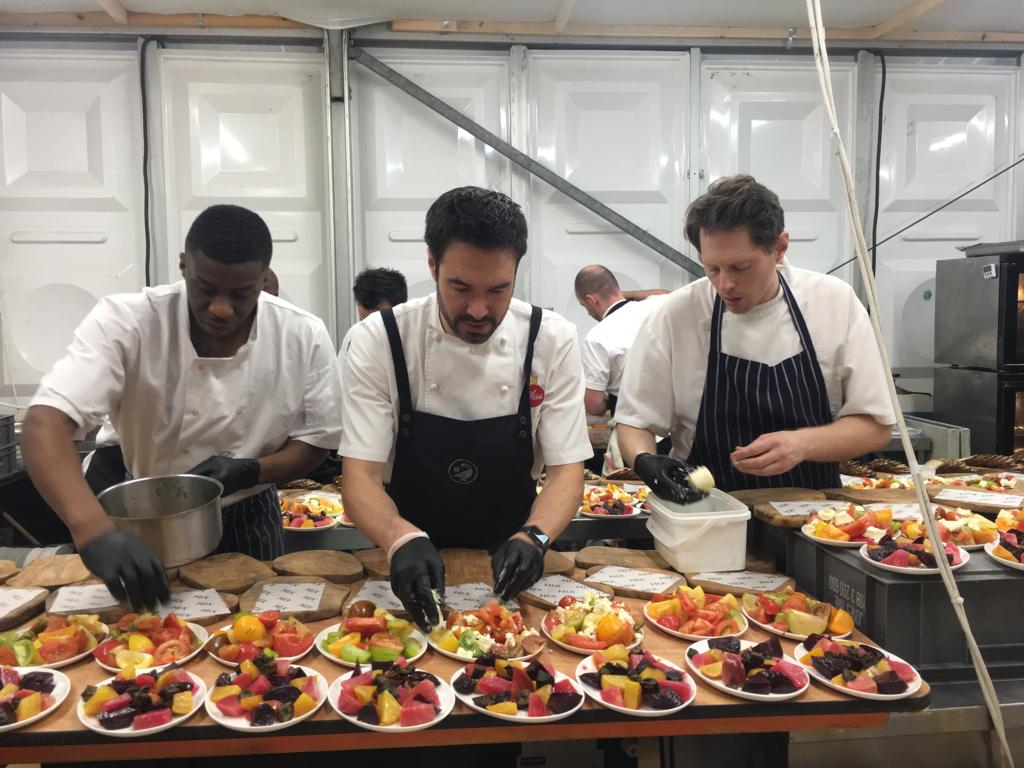
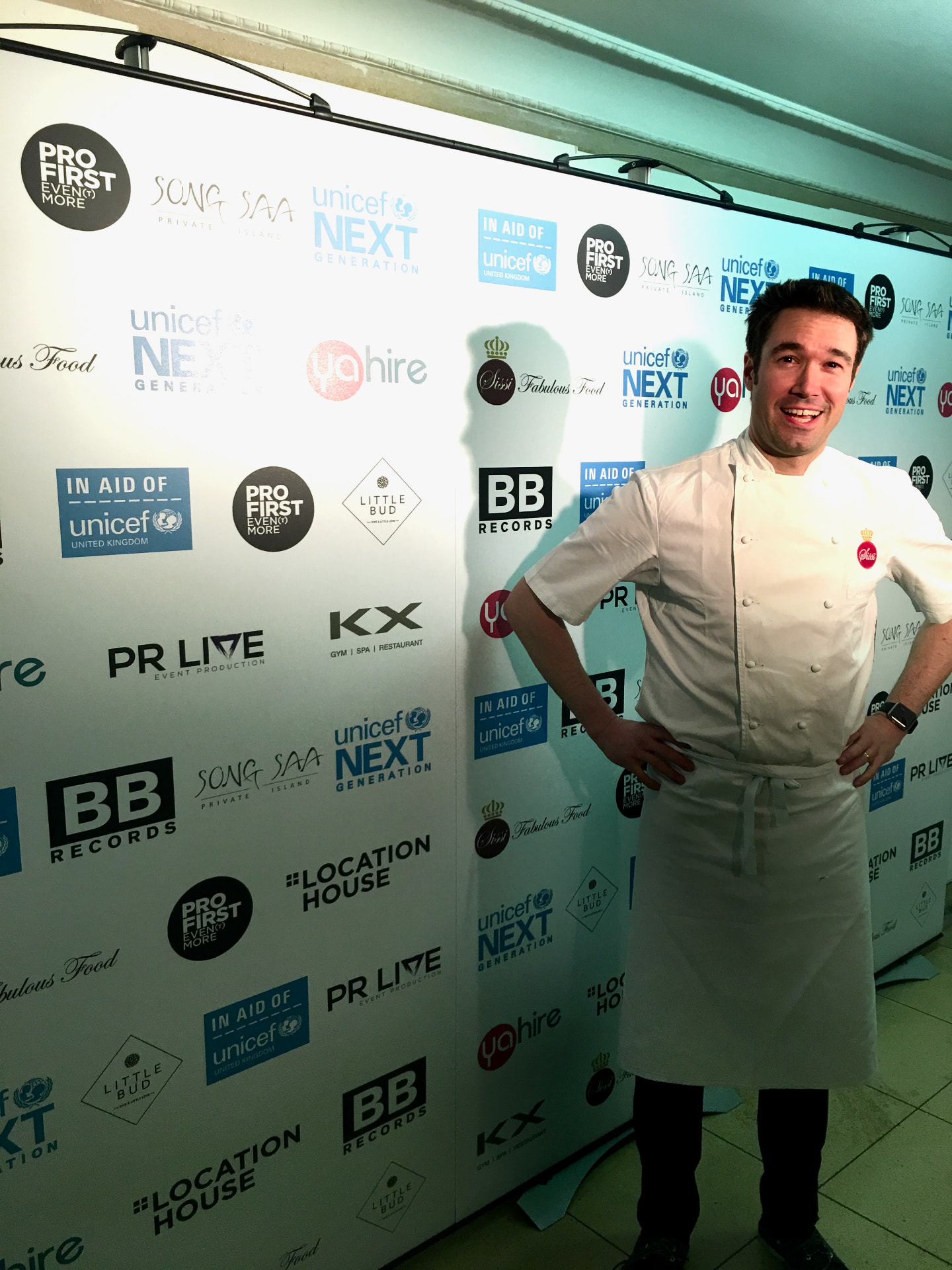
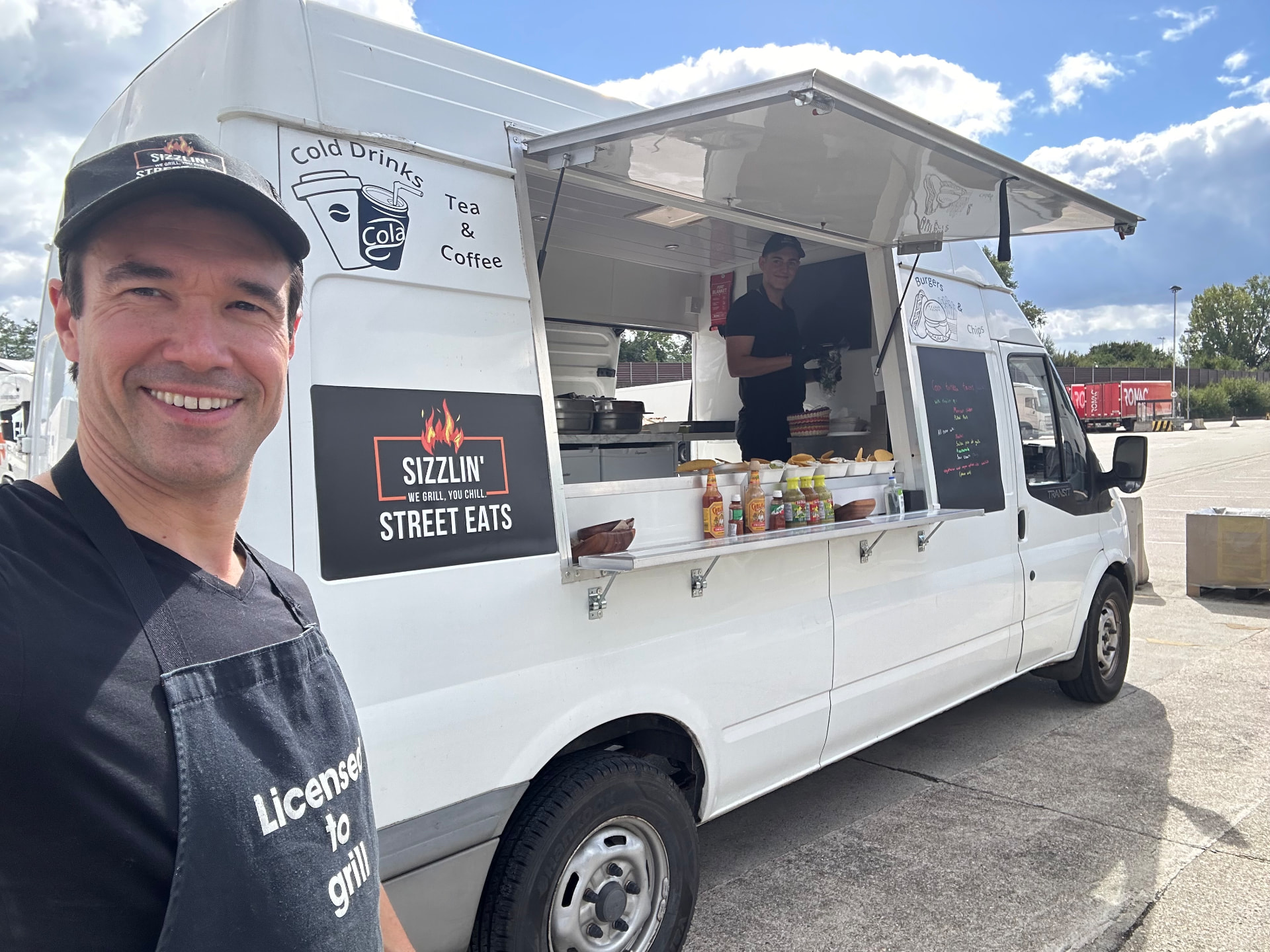
I wanted to know what happened when a food idea became a menu, a restaurant, a food truck, a product, an experience or a business.
So I started building them.
Restaurants. Catering companies. Street-food concepts. Pizza. Healthy fast food. Events. Products.
Some worked beautifully.
Some taught me expensive lessons.
All of them made me a better cook because they forced me to think about the whole experience, not just what was on the plate.
That part of my life eventually became BUILD.
Chapter 09
Then teaching changed everything.
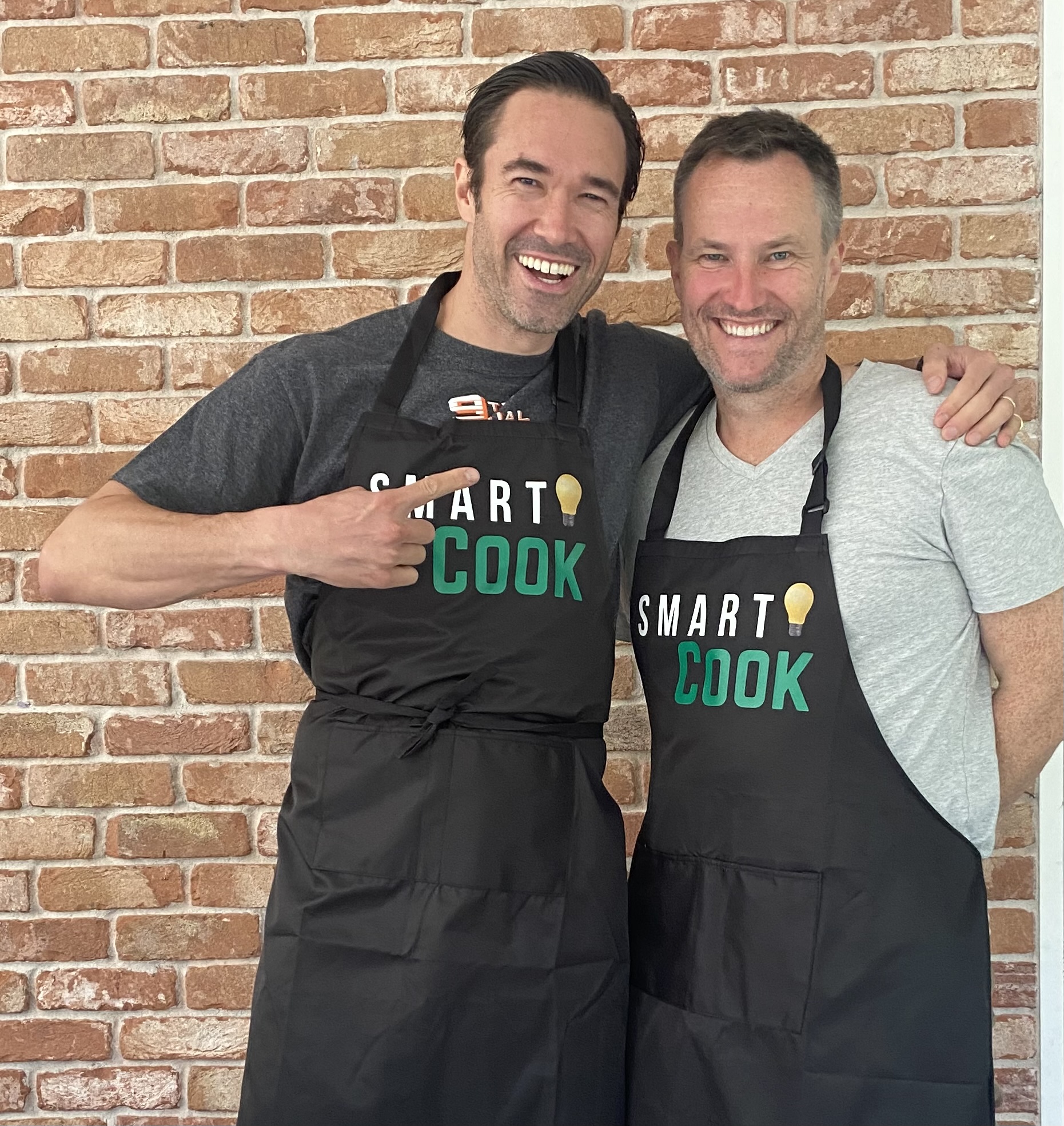
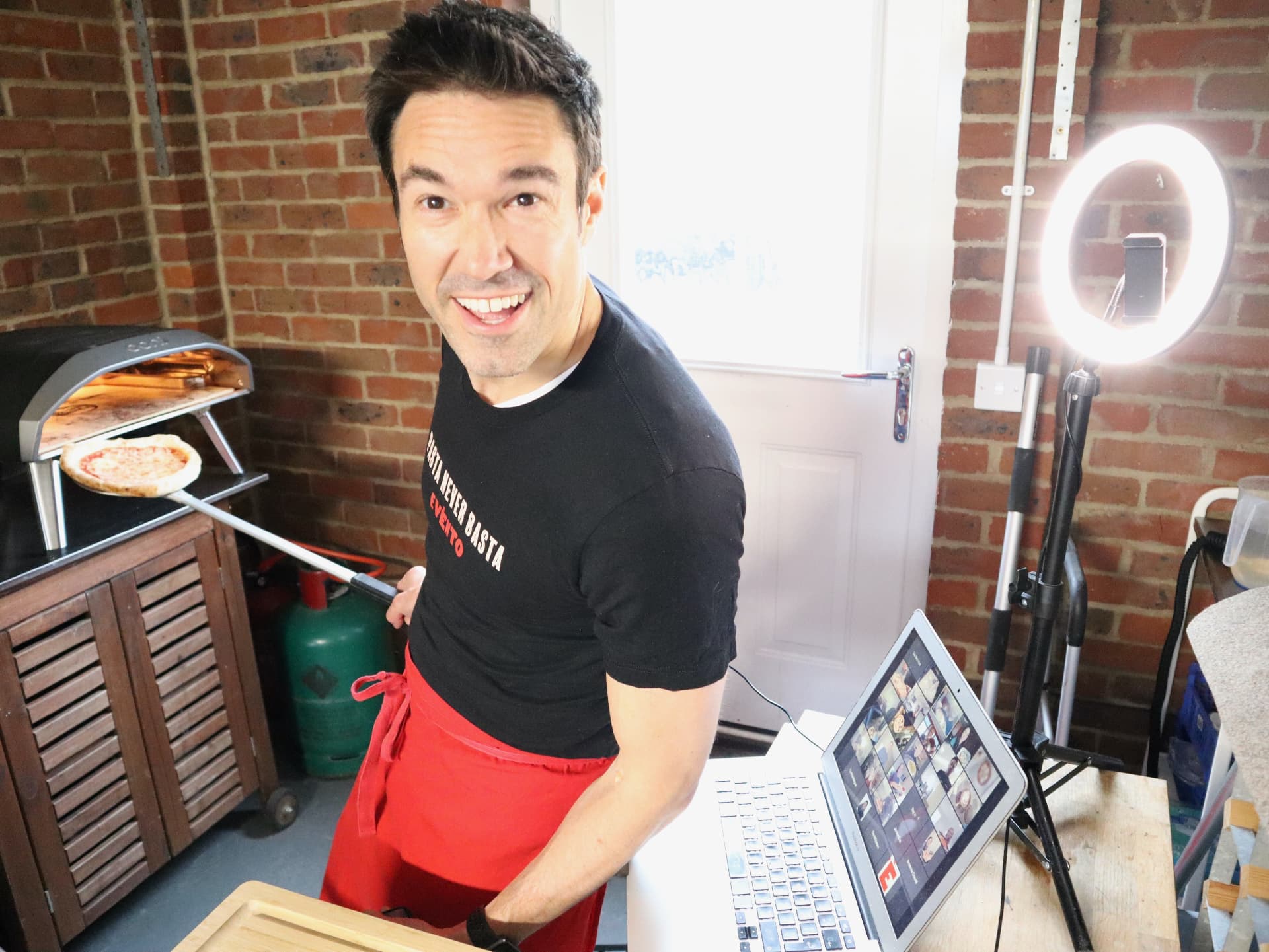
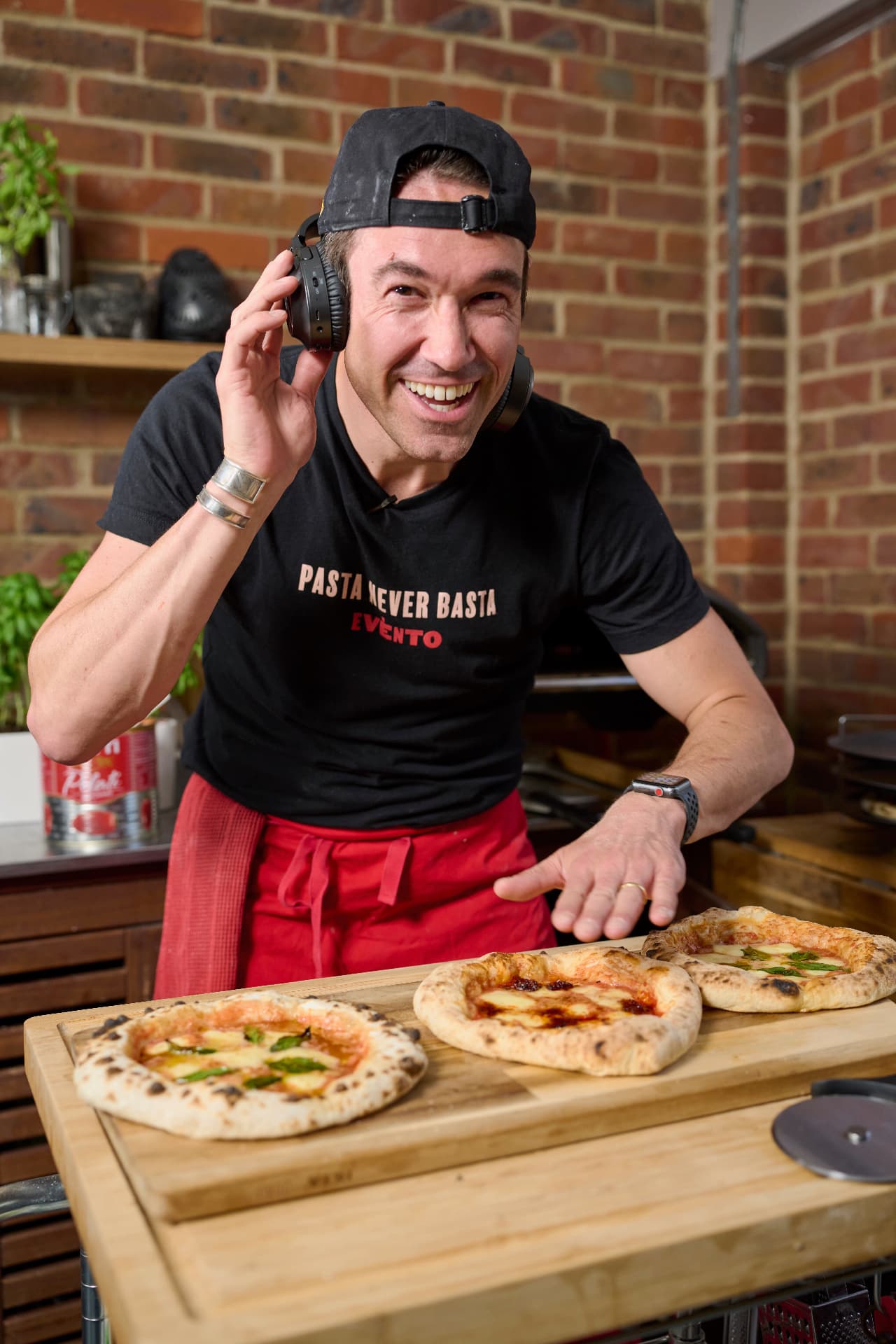
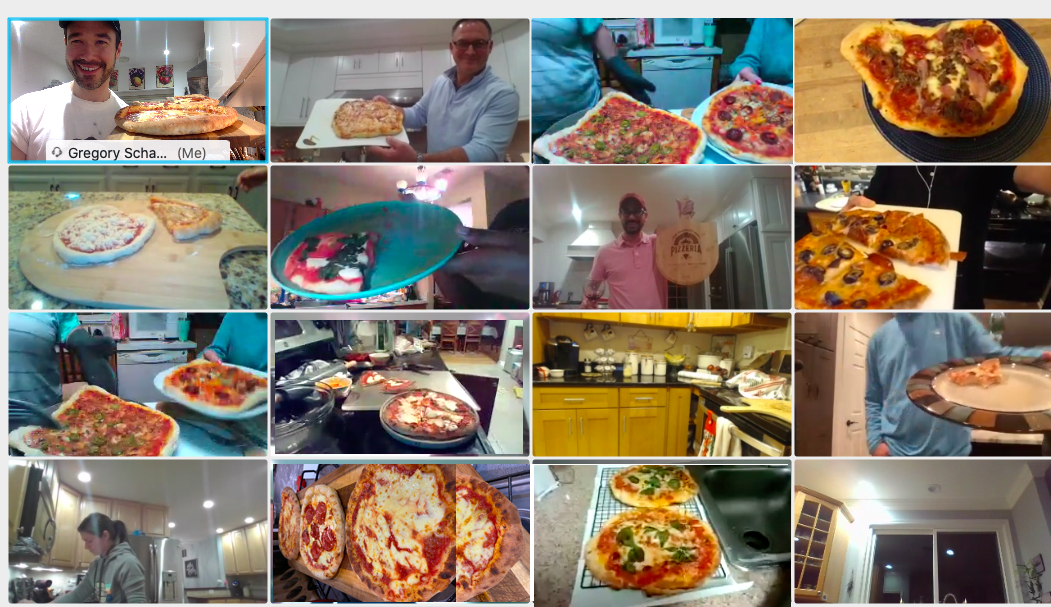
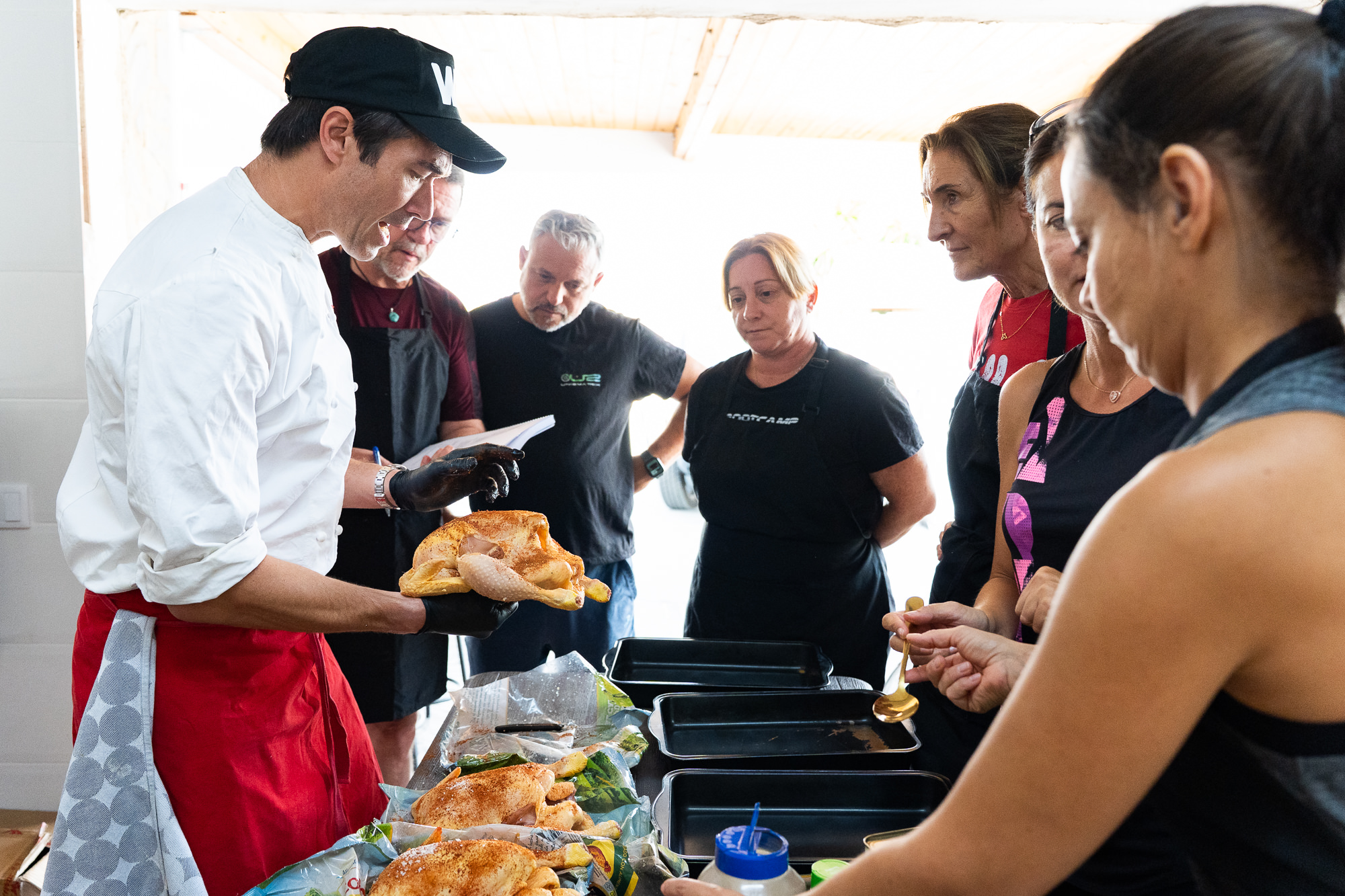
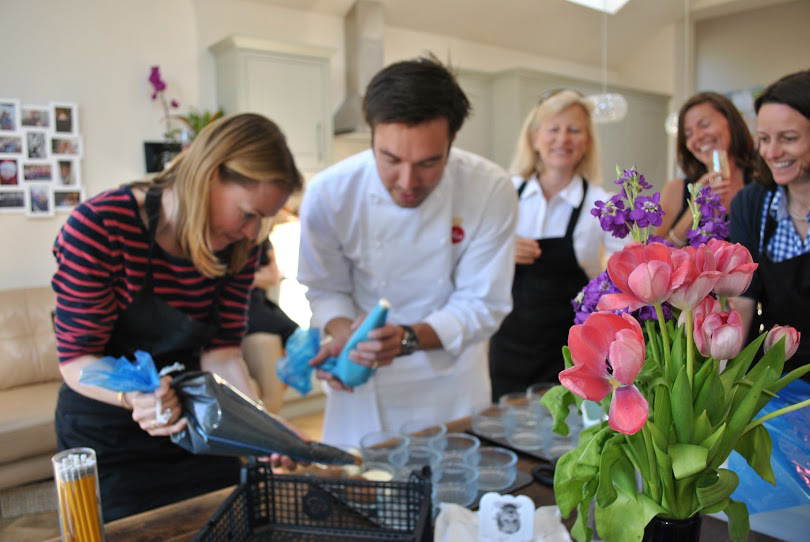
Over the years I’ve cooked with and taught thousands of people — from home cooks to teams inside some of the world’s biggest companies.
And I kept seeing the same thing.
People wanted to eat well.
They wanted food that tasted genuinely delicious.
They just didn’t want cooking to consume their lives.
I understood that.
I’d lived the corporate world myself.
I knew what it felt like to come home after a long day and still somehow be expected to produce dinner.
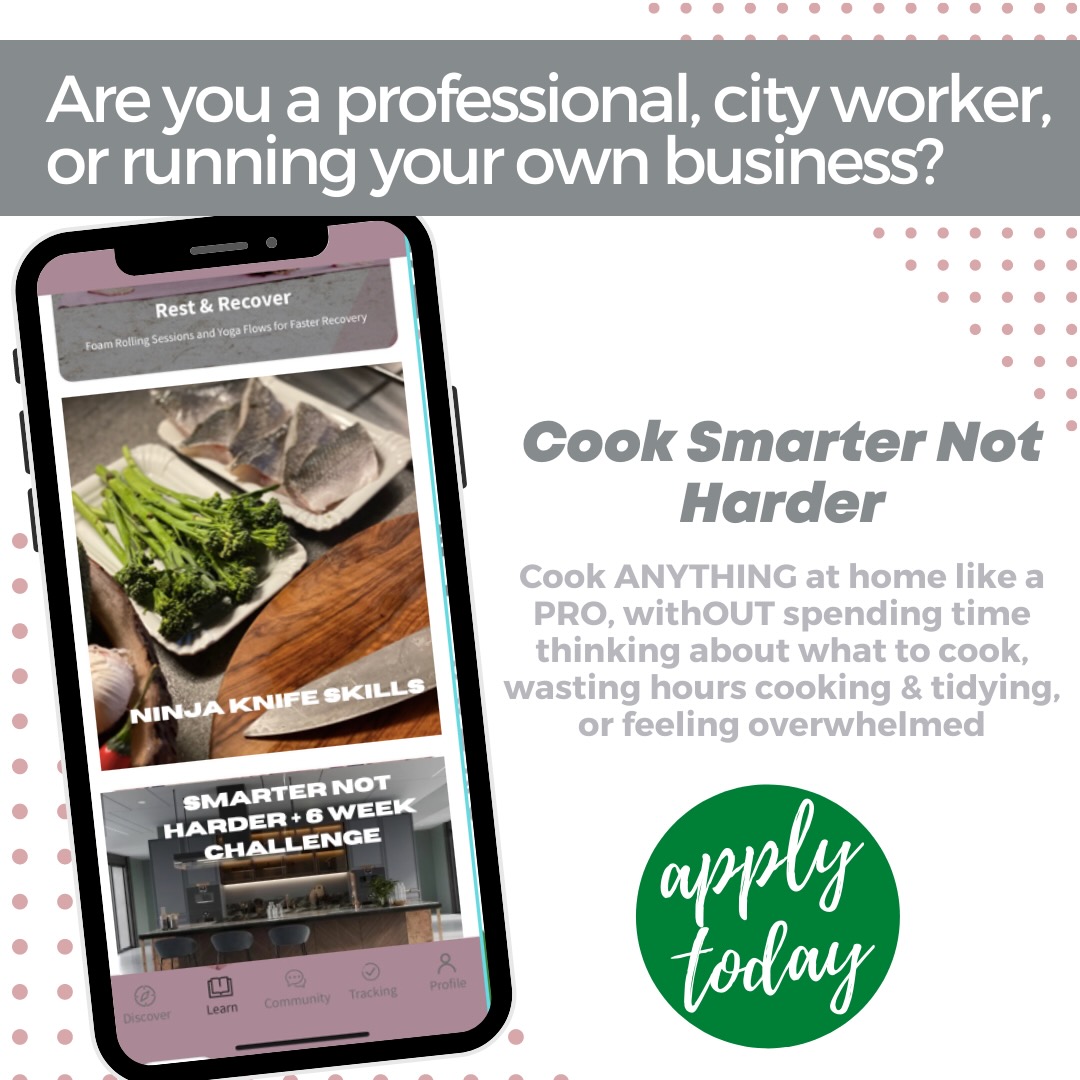
That became Cooking Smarter Not Harder.
Not “healthy food” as punishment.
Not complicated cooking for the sake of it.
Delicious food first.
Food that makes you feel good afterwards.
And ways of cooking it without spending half your life in the kitchen.
Chapter 10
Where I’ve landed
After all the kitchens, countries, cameras, businesses, experiments and mistakes, my cooking has actually become simpler.
Start with good ingredients.
Understand what makes food taste great.
Don’t complicate something that doesn’t need complicating.
Feed people generously.
Stay curious.
And remember why we cook in the first place.
Cook with love.
Love what you eat.
That’s really what everything on this site comes back to.
Come hungry. Where next?
Eat
Feed a room.
Cook
Learn something useful.
Watch & Read
Follow the rabbit hole.
Coming soon
Build
Turn an idea into something real.
Coming soon